Payment Systems and Regulatory Frameworks Shaping France's Digital Gaming Sector
Vera Braun · Aug 23, 2026
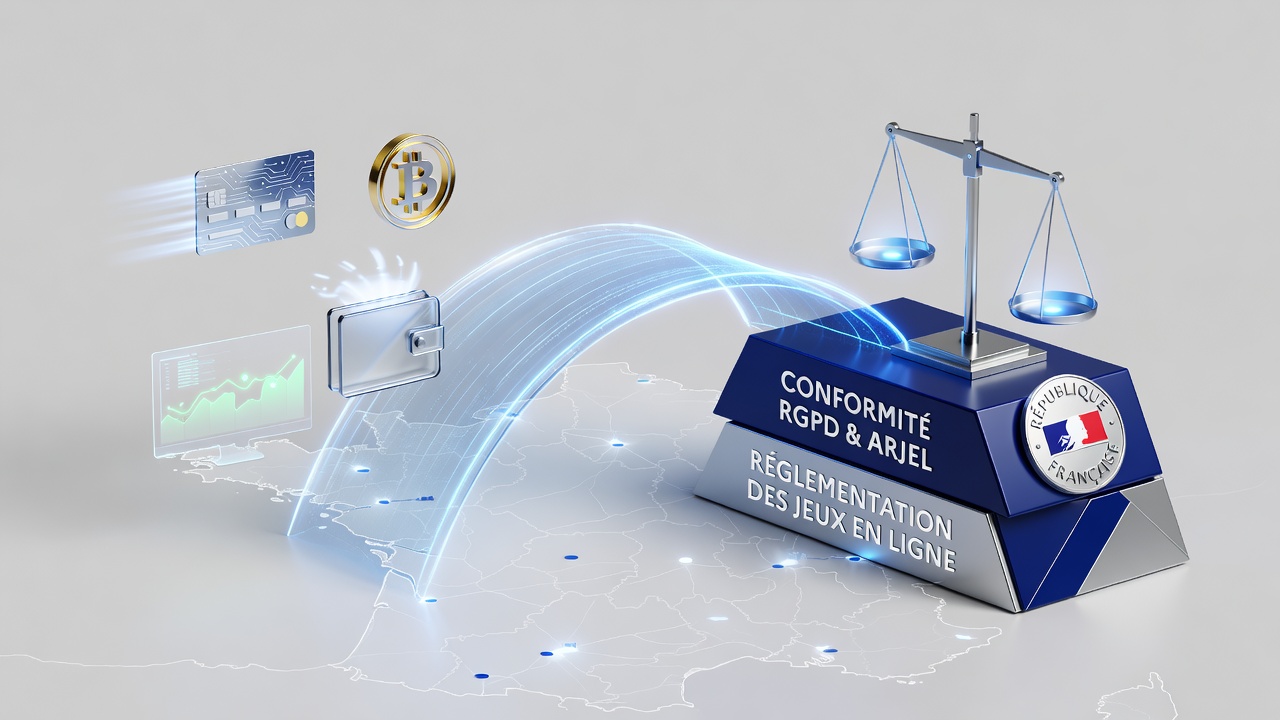
Payment Systems and Regulatory Frameworks Shaping France's Digital Gaming Sector
Current Landscape of Payment Methods
France maintains strict oversight through the Autorité Nationale des Jeux, which enforces rules requiring all financial transactions in licensed online gaming to route through approved banking channels while operators adapt to emerging technologies like instant bank transfers and digital wallets, and data from mid-2026 shows increased adoption of these methods among platforms operating under French licenses.
Payment innovations continue to evolve with systems that support real-time processing, yet every new tool must align with existing statutes that prohibit anonymous funding sources and mandate traceability for every euro moved in or out of player accounts, and researchers at European financial institutions have documented how these constraints shape product development timelines.
Regulatory Milestones Through 2026
Legislation updated in previous years set the foundation for secure payment gateways, and by August 2026 authorities introduced additional guidelines clarifying acceptable verification protocols for mobile-initiated deposits, which forced several operators to upgrade their backend systems within weeks of the announcement, and figures released by the regulatory body indicate compliance rates rose steadily once the new standards took effect.
Those who monitor industry filings note that licensed entities must now demonstrate integration with French banking networks that comply with anti-money laundering directives, while platforms experimenting with blockchain-based solutions face additional scrutiny because current statutes do not yet recognize decentralized ledgers as valid transaction records, and one study conducted by a Paris-based research group highlighted the gap between technological capability and legal acceptance.

Integration Challenges for Operators
Operators must balance speed and user convenience against mandatory identity checks that occur at multiple points during a transaction, and this tension becomes evident when examining how e-wallet providers partner with French gaming sites to embed verification layers directly into their apps, and reports from industry associations across the EU reveal similar patterns in neighboring markets that influence cross-border strategy discussions.
Take one provider that rolled out a new instant payout feature only to discover it required separate approval from both banking regulators and the gaming authority, which extended the launch window by several months, and data compiled by international gaming research centers shows that such delays occur frequently when payment innovations intersect with France's layered approval process.
Emerging Technologies Under Review
Digital currency experiments remain limited because statutes explicitly tie transaction records to identifiable bank accounts, although some developers continue testing hybrid models that combine traditional rails with cryptographic security features, and observers note that any future acceptance would require amendments passed through parliamentary channels rather than regulatory interpretation alone.
Statistics gathered by Canadian and Australian gaming oversight bodies on parallel payment innovations offer comparative insights that French stakeholders reference during policy reviews, and these external benchmarks help illustrate how different jurisdictions manage the same tension between innovation speed and consumer protection mandates.
Conclusion
The interplay between advancing payment tools and established legal requirements continues to define operational boundaries for France's online gaming participants, and stakeholders track ongoing guidance from the national authority as new solutions emerge. As August 2026 unfolds, further clarifications on verification standards may prompt additional adjustments across the sector while maintaining the core emphasis on traceable, secure financial flows.